Loading...
Serving Horn Lake, MS and surrounding areas. (662) 707-8005
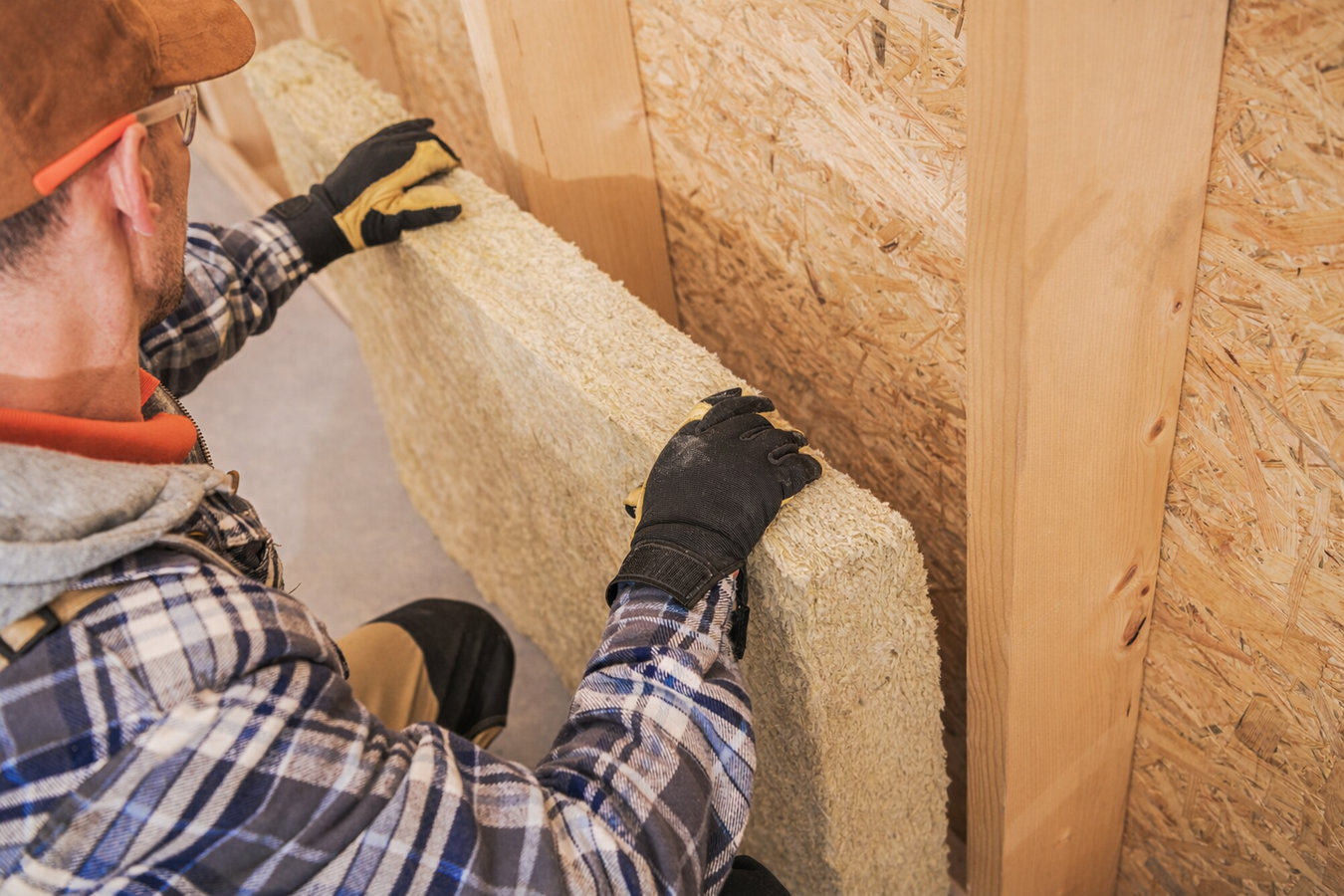
Walls with no insulation let the Mississippi heat push straight into your living space. We fill every cavity cleanly - no torn drywall, no mess left behind.
Wall insulation in Horn Lake fills the hollow cavities in your exterior walls so heat cannot pass through, most jobs on a single-story home are completed in one day with no drywall removal required.
If your home was built before the mid-1990s, there is a good chance the builder left the exterior walls empty or barely filled. That means every hot afternoon from June through September, your air conditioner is fighting heat that is pouring straight through the framing. Proper wall insulation is one of the most direct fixes for that problem. Many homeowners combine it with air sealing services to get the full benefit of both upgrades at the same time.
Horn Lake sits in a hot-humid climate zone where the heat season runs from late April through early October. That is a long stretch for an uninsulated wall to work against you. A local contractor who understands DeSoto County housing stock - the brick veneers, the era of construction, the specific climate demands - will recommend the right material for your walls, not just the cheapest option available.
If your electric bill climbs sharply from June through September even though your habits have not changed, your walls may be letting heat pour in. Horn Lake summers push outdoor temperatures into the mid-90s for weeks at a time, and an uninsulated wall offers almost no resistance. A well-insulated wall makes a measurable difference in how hard your air conditioner has to work.
Rooms on the south or west side of the house take the most direct afternoon sun and are often the first to reveal under-insulated walls. If one room always feels like it is fighting the AC no matter how you adjust the vents, the wall insulation - or lack of it - is usually part of the story. This is a common complaint in older Horn Lake neighborhoods.
Press your palm flat against an interior wall that backs up to the outside on a hot summer afternoon. If it feels noticeably warm - almost like a surface that has been sitting in the sun - that wall is conducting heat straight into your living space. A properly insulated wall should feel close to room temperature even on a 95-degree day.
Insulation does not just block heat - it also dampens sound. If you have started noticing traffic noise or neighborhood sounds more than you used to, it can be a sign that your wall cavities are empty or that existing insulation has settled and left gaps. This is especially noticeable in older Horn Lake neighborhoods near busier roads.
For most Horn Lake homeowners with finished walls, blown-in insulation is the practical choice. A contractor drills small access holes in each wall cavity, pumps loose material in until the cavity is full, then patches and paints the holes. You get a fully insulated wall without tearing out a single piece of drywall. If you are also dealing with blown-in insulation needs in the attic, both projects are often scheduled together for efficiency.
For homes undergoing a renovation with open walls, batt insulation fits neatly between studs before the drywall goes back up - this is the lowest-cost approach when the opportunity presents itself. Regardless of method, the goal is the same: filling every cavity so there is no path for heat to travel through your framing. Pairing wall insulation with air sealing services after installation seals any remaining gaps around outlets, switches, and penetrations so you capture the full efficiency benefit.
Best for finished homes with existing drywall - no demolition needed, every cavity filled.
Best for open-wall renovations or new construction where studs are exposed before drywall.
Best for older homes with irregular cavity sizes where standard blown-in may leave voids.
Best for areas needing both air sealing and insulation in a single application.
Horn Lake sits in a hot-humid climate zone where the heat season stretches from late April through early October. That means your walls are working against outdoor heat and humidity for more than half the year. Insulation that performs well in a dry or cold region is not automatically the right choice here - moisture management matters just as much as heat resistance in DeSoto County. A significant portion of the housing stock in Horn Lake was built in the 1970s through the 1990s, when wall insulation standards were far lower than today. If your home falls in that era and you have never had the walls checked, there is a real chance you are conditioning air that is escaping straight through the framing. Homeowners in Southaven and Olive Branch face the same conditions, and the same urgency.
Brick veneer construction is common throughout DeSoto County, including Horn Lake. Most brick-exterior homes here are built with a wood-framed wall behind the brick, which means the wall cavity can still be insulated - the contractor accesses it from the interior side. This requires more careful patching work, and it is worth confirming that any contractor you consider has specific experience with brick veneer homes. The U.S. Department of Energy recommends a wall R-value of R-13 to R-15 for the Memphis-area climate zone that includes Horn Lake - hitting that target keeps your air conditioner from running nonstop on a 95-degree July afternoon.
Reach out by phone or through the contact form and we will reply within one business day. Come prepared with a rough sense of your home's age - that helps us come to the walk-through with the right equipment.
We walk the exterior walls, check for hollow cavities, and assess any brick veneer or other access considerations. This visit is free and carries no obligation - and we explain what we find as we go.
You receive a written estimate listing which walls are being insulated, the material being used, and the total cost. There are no verbal quotes - everything is in writing before any work begins so there are no surprises.
The crew drills small access holes, fills every cavity, then patches the holes flush and smooth. Most single-story homes are done in one day. Before we leave, we walk you through every patched spot so it is ready for touch-up paint.
Free estimate, written quote, no obligation. We reply within one business day.
(662) 707-8005A large share of DeSoto County homes have brick exteriors over wood-framed walls. We access wall cavities from the interior side, patch every hole flush and smooth, and leave the wall ready for touch-up paint. It is a different job than vinyl-sided homes, and we do it routinely.
You receive a written scope of work listing every wall being insulated, the material used, and the total price before a single hole is drilled. If anything changes during the job, we discuss it with you first - no surprise line items after the fact.
In Horn Lake's hot-humid conditions, the wrong insulation material can trap moisture and cause problems down the road. We recommend materials suited to how your specific walls manage heat and humidity - not a one-size-fits-all product. The NAIMA guidelines for hot-humid climates inform every recommendation we make.
We work in Horn Lake, Southaven, Olive Branch, and the surrounding communities every week. That means we understand the local housing stock, the permit process at the Horn Lake Building Department, and the climate demands specific to this part of Mississippi - not just insulation in general.
Every one of those proof points adds up to the same thing: you know what you are getting, the work is done right for this climate, and the walls look exactly as they did before - just performing much better. The North American Insulation Manufacturers Association sets the installation quality standards we follow on every job.
Close the gaps around outlets, pipes, and framing that let conditioned air escape even after walls are insulated.
Learn MoreLoose-fill insulation blown into attics and wall cavities - no drywall removal needed for finished spaces.
Learn MoreHorn Lake summers do not wait - lock in your installation date before the heat season hits and your AC starts working overtime.