
Loading...
Serving Horn Lake, MS and surrounding areas. (662) 707-8005
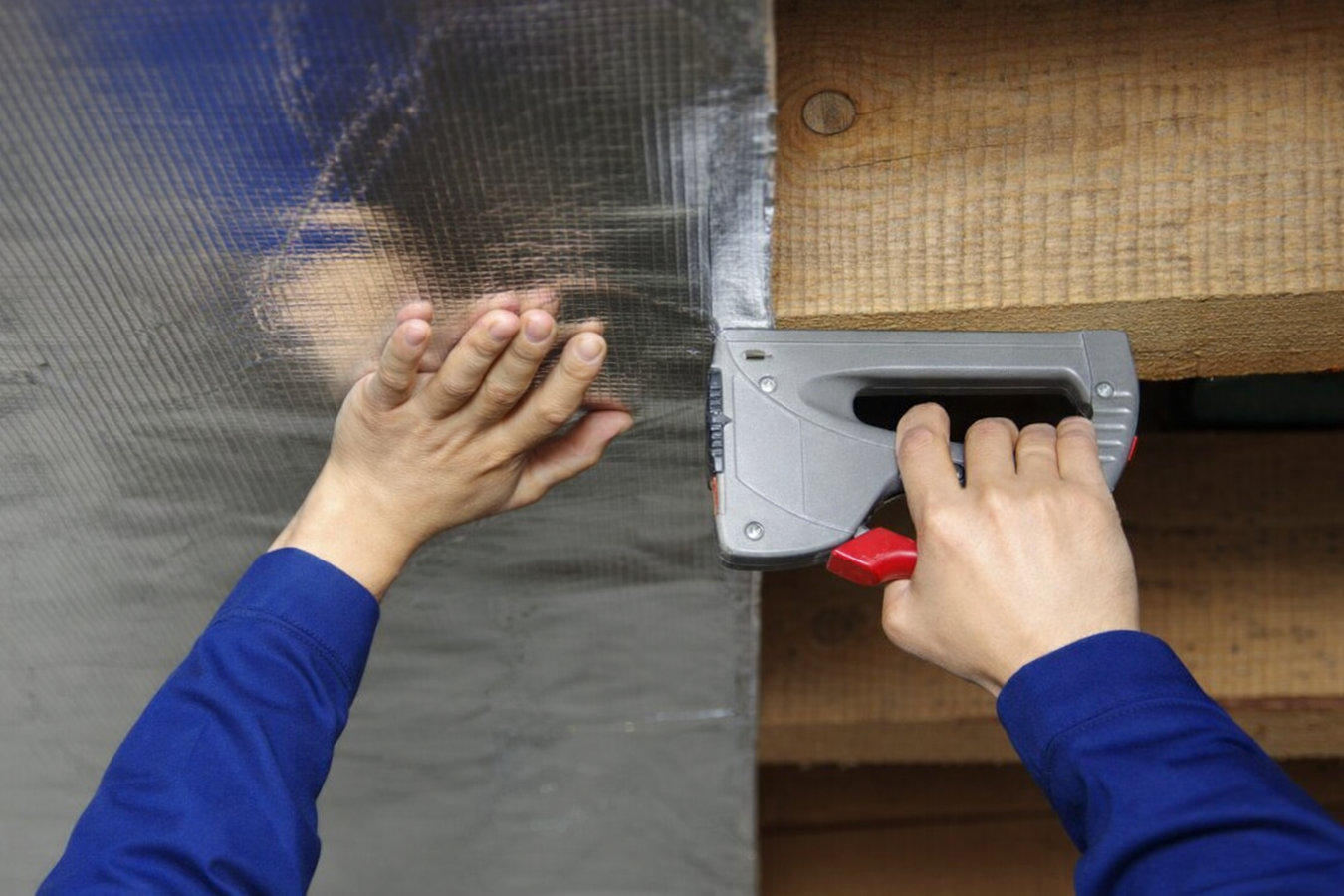
A properly installed vapor barrier seals your crawl space floor against the ground moisture that causes musty smells, soft floors, and long-term wood damage in Horn Lake homes.
Vapor barrier installation in Horn Lake covers the bare dirt floor of your crawl space with heavy-duty plastic sheeting to block ground moisture from rising into your home - most jobs for a standard single-family home are completed in a single day.
A vapor barrier is a thick sheet of plastic - typically 10 to 20 mils - spread across the crawl space floor, with seams overlapped and taped and edges run up the foundation walls a few inches. The goal is a continuous, sealed surface with no gaps or exposed soil. When it is installed correctly, moisture from the ground cannot reach your floor joists, your insulation, or the air inside your home. When it is installed poorly - with loose seams, bunched material, or edges that peel away - moisture comes right back in. The quality of the installation matters as much as the material itself. For homes where moisture has already gotten into the insulation above the crawl space, combining barrier installation with crawl space vapor barrier assessment can address both layers of the problem.
The U.S. Department of Energy identifies moisture control in crawl spaces as one of the most impactful steps a homeowner can take to protect their home in a humid climate. In Horn Lake, that is not abstract advice - it is practical reality. The clay-heavy soils in DeSoto County stay wet for days after a rain, and without a sealed floor, that moisture works upward constantly. Getting it installed correctly the first time means not dealing with a replacement in five years.
A persistent musty or earthy odor - especially one that intensifies between June and September - is often the first sign that moisture is moving up from the crawl space. In Horn Lake's humid summers, that smell tends to get noticeably worse when the ground moisture is at its peak. It usually means mold or mildew is already growing somewhere in the crawl space below.
Walk slowly across your ground-floor rooms and pay attention to any spots that feel softer than they should, or where the floor gives slightly underfoot. This can be a sign that the wood subfloor or floor joists have absorbed enough moisture to begin softening. In older Horn Lake homes built in the 1970s and 1980s, this kind of damage is common in crawl spaces that were never properly sealed.
Water droplets on pipes, rust on metal supports, or dark discoloration on the underside of the floor above are all signs that moisture is moving freely through the crawl space. Left alone, that condensation feeds mold growth and accelerates rust on metal components - problems that are far more expensive to fix than the barrier that prevents them.
When a crawl space is damp, the insulation under your floor loses much of its ability to keep your home comfortable, forcing the air conditioning to work harder. If your summer cooling bills seem high compared to neighbors with similar homes, an unsealed crawl space is worth investigating - especially in Horn Lake homes where central air runs nearly continuously from May through September.
We install vapor barriers for homes throughout Horn Lake and DeSoto County, using material that is at least 10 mils thick and tape rated specifically for damp crawl space conditions. Every installation includes removing old or damaged material first - laying new sheeting over degraded material is one of the most common mistakes in this work, and it does not fix anything. We also handle drainage concerns and mold issues discovered during the assessment, so you are not left trying to coordinate multiple contractors for a single project. Where ground moisture has also affected floor insulation, we often recommend pairing barrier installation with crawl space vapor barrier work so both problems are resolved at once.
For homeowners who want to take the next step beyond a vapor barrier, we can assess whether your crawl space would benefit from full encapsulation - which adds wall sealing and, in some cases, a dehumidifier to create a more controlled environment. We are direct about whether encapsulation is genuinely necessary or whether a well-installed barrier will solve your problem. Because vapor barrier work affects your home's air quality and the performance of the floor insulation above it, we often find that attic air sealing is a useful companion service for homeowners concerned about the full picture of air and moisture management in their home.
For homes that have never had a sealed crawl space - full surface preparation, heavy-duty sheeting, sealed seams, and wall terminations done in a single visit.
For homes with old, thin, or torn material - we remove what is there, clear the space, and install fresh sheeting that meets current performance standards.
For crawl spaces with standing water or drainage issues - we address the water management concern first so the barrier has the best chance of working long-term.
The most complete approach - pairing a sealed floor with insulation above it addresses both moisture and thermal performance in a single coordinated project.
Horn Lake is part of the northern Mississippi Delta region, where summer humidity regularly pushes into the 80 to 90 percent range and stays there for months. The clay-based soils across DeSoto County absorb water slowly and release it even more slowly - after a rainstorm, the ground stays wet for days or weeks, steadily pushing moisture upward through crawl space floors. Horn Lake also grew significantly during the 1970s through 1990s, and many of those homes were built with open, unencapsulated crawl spaces that were standard practice at the time. If your home was built before 2000, there is a real chance it either has no vapor barrier or one that is far past its useful life. The U.S. Department of Energy and the EPA both identify crawl space moisture control as a priority for homes in humid climates - and Horn Lake qualifies.
Homeowners in Walls and Hernando face the same clay-soil conditions and similar housing stock, and vapor barrier installation is one of the most consistent services we provide across all three areas. For a standalone vapor barrier installation in Horn Lake, a permit is typically not required - which means we can often schedule and complete the work without a waiting period. We confirm permit requirements for every project before any work begins, so there are no surprises.
We ask a few basic questions - size of your home, any problems you have noticed, and whether anyone has looked at the crawl space recently. Most calls take under ten minutes. We respond within 1 business day and offer free on-site estimates throughout Horn Lake and DeSoto County.
A contractor visits your home, accesses the crawl space, and looks at the condition of the soil, any existing material, signs of moisture or mold, and the layout of the space. The visit takes 30 to 60 minutes, and we walk you through what we found and what we recommend before we leave - no obligation to commit.
You receive a written estimate covering material thickness, how seams and edges will be handled, and any prep work needed. This is the time to ask questions - we do not pressure anyone to sign the same day, and a trustworthy contractor never should.
The crew removes old material, clears debris, rolls and cuts new sheeting to fit the space, overlaps and tapes seams, and runs edges up the foundation walls. Most Horn Lake homes are done in a single day. We do a walkthrough with you at the end to confirm the installation before we leave.
No pressure, no obligation. We come out, assess your crawl space, and give you a straight answer about what your home needs.
(662) 707-8005Every job starts with an in-person look at your crawl space. We do not quote over the phone for crawl space work because conditions vary too much. The assessment helps us tell you exactly what material thickness your space needs, whether there is prep work involved, and whether a barrier alone will solve your problem - or whether something more is warranted.
We use sheeting rated for the rough conditions inside a crawl space - at least 10 mils thick - and tape every seam with adhesive rated for damp environments. Edges are run up the foundation walls and fastened in place. The Building Science Corporation notes that improper seaming and edge termination are among the most common reasons vapor barriers fail prematurely.
We invite every homeowner to review the finished installation before the crew packs up - or we provide photos if going into the crawl space is not practical. There should be no bare soil visible anywhere on the floor. Seams should be taped. Edges should be fastened to the walls. These are things you can check yourself, and we are confident in what you will find.
Horn Lake sits on the Tennessee state line, and homeowners here sometimes end up hiring contractors who are based in Memphis and rarely work down here. We know the DeSoto County permitting process and have been working in Horn Lake and the surrounding areas long enough to know what local crawl spaces look like and what they typically need.
Vapor barrier installation is straightforward work when it is done right - and the difference between a good job and a poor one is visible. We make it easy for you to see that difference before we leave your property.
Sealing air leaks in your attic prevents conditioned air from escaping and reduces moisture-driven problems throughout the home - a natural complement to crawl space moisture work.
Learn MoreAssessment and installation specifically focused on your crawl space floor - including removal of old or failed material and inspection for signs of moisture damage.
Learn MoreHorn Lake's summer humidity season is long and unforgiving on unprotected crawl spaces. Call now or request a free estimate - the sooner it is sealed, the less damage accumulates.