Loading...
Serving Horn Lake, MS and surrounding areas. (662) 707-8005
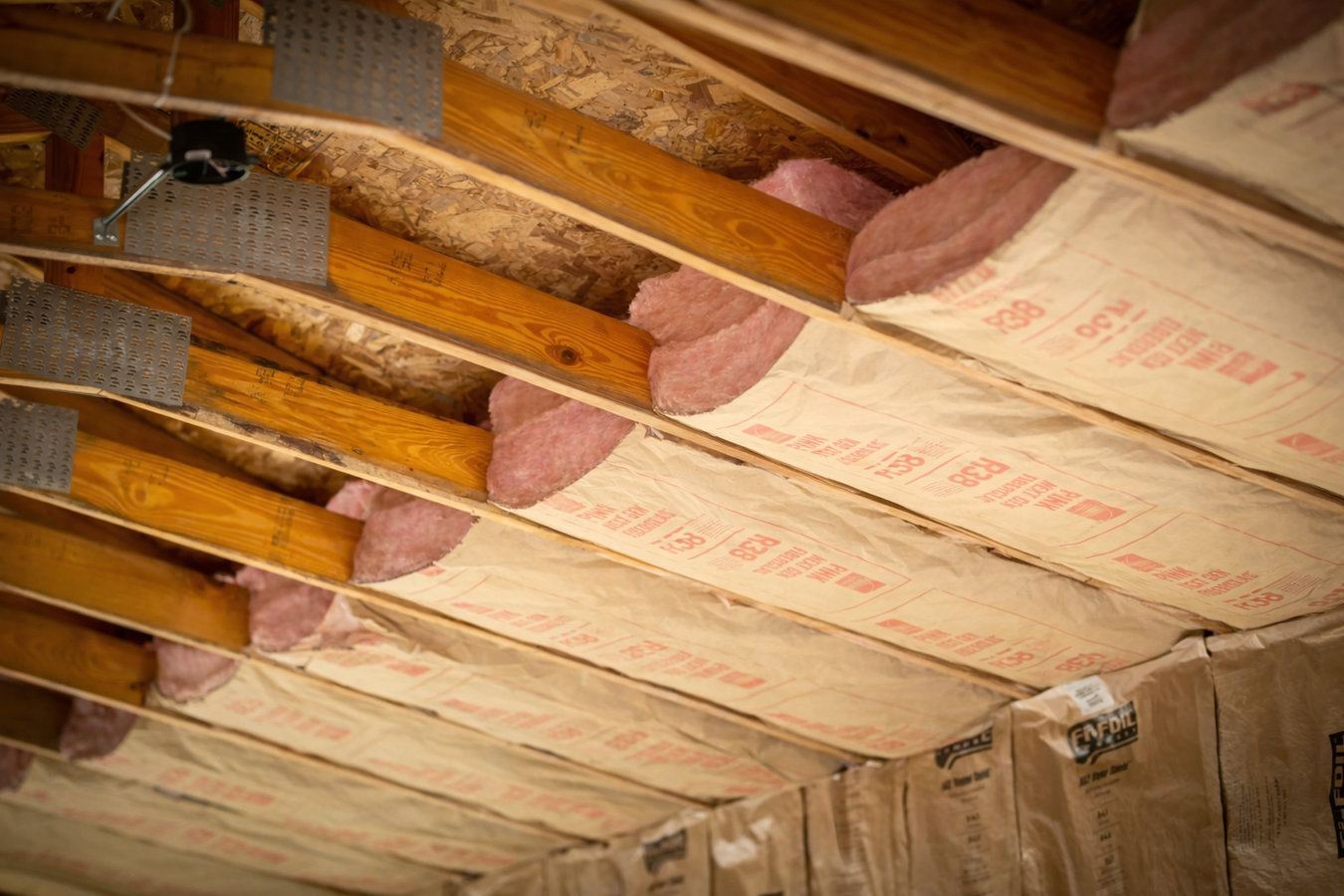
Most Horn Lake homes built before 2000 are under-insulated. We add the material your home needs - in the attic, crawl space, or wall cavities - without a major renovation.
Retrofit insulation in Horn Lake means adding insulation to a home that is already built and lived in - contractors work around your existing structure using blown-in or spray foam material, most attic jobs are completed within a single day, and you can stay in the house the entire time.
Retrofitting is not a renovation - it is an upgrade done around your life. Contractors use specialized equipment to fill attic floors, wall cavities, and crawl spaces without tearing things apart. The most common material is blown-in loose-fill, which is blown into place through a hose and settles into a consistent layer across the attic floor or fills wall cavities through small access holes. For gaps and penetrations that let air sneak through, spray foam handles the sealing work first. A good retrofit job always starts with air sealing before adding material on top - which is why many homeowners pair this with home insulation planning for the full picture of what their house needs.
In Horn Lake, the payoff is faster than in most parts of the country. Air conditioning runs from late April through October in most years, and any gap or thin spot in your attic is costing you money every single day during that stretch. The ENERGY STAR Seal and Insulate program identifies attic insulation as one of the most cost-effective improvements a homeowner can make in a hot, humid climate - and DeSoto County qualifies on both counts.
If your electric bill has been creeping up year after year but your habits and appliances are the same, your insulation may be losing its effectiveness. In Horn Lake, where air conditioning runs for the better part of eight months, even a modest drop in insulation performance can add hundreds of dollars to your annual energy costs. This is one of the most overlooked signs that a retrofit upgrade is overdue.
If one bedroom is always stuffy in July or one corner of the house never warms up in January, that is often a sign that insulation is thin or missing in that part of the home. Heat moves toward cooler spaces, and any gap in your insulation gives it a direct path in or out. Uneven comfort from room to room is one of the clearest signals your home has an insulation problem.
In Horn Lake's summers, a poorly insulated attic can reach temperatures well above 130 degrees. If you stand in a room on the top floor and the ceiling feels noticeably warm, or if the upstairs is dramatically hotter than the downstairs, heat is moving through your ceiling from the attic. That is a direct sign the attic insulation is not doing its job.
Horn Lake's humidity means moisture problems in attics and crawl spaces are common, and wet or compressed insulation does very little to keep heat out. If you have seen water stains on your ceiling, smelled something musty near your attic hatch, or noticed moisture in your crawl space, your insulation may already be compromised. Addressing the moisture and replacing the damaged material together is the right fix.
We handle retrofit insulation throughout Horn Lake and DeSoto County, covering attics, crawl spaces, and wall cavities depending on where your home needs the most help. Attic work is the most common starting point - it delivers the biggest return in this climate because the attic is the primary source of heat gain in summer and heat loss in winter. We seal air leaks first before adding any material, because insulation on top of unsealed gaps underperforms from day one. For homeowners who want to understand the full scope before committing, we walk through what we find in plain terms during the assessment - no surprises in the estimate. When the attic work is done, it often makes sense to address the floor as well with home insulation planning that accounts for the whole house.
Wall cavity work is less common but can make a real difference in older Horn Lake homes with minimal or no wall insulation. We use dense-pack blown-in material for closed wall cavities, accessing them through small drilled holes that are patched after the job. Crawl space insulation is another area we address regularly - especially in homes where floor drafts and uneven comfort in ground-floor rooms are the main complaint. For crawl spaces where moisture is already a concern, we recommend addressing the vapor barrier before adding insulation above it so the new material does not absorb what it is supposed to stop. Our full-service approach to home insulation means we can coordinate all of it in a single project rather than sending you to multiple contractors.
For homes with little or no attic insulation - the fastest path to lower cooling bills and a more comfortable upstairs in Horn Lake's summers.
For homes with some insulation that falls short of recommended levels - we add material over what is already there to reach the right depth for this climate zone.
For older homes with uninsulated exterior walls - blown-in material is packed into closed wall cavities through small access holes without major disruption.
For homes where floor drafts and uneven comfort point to heat loss through the floor - insulation installed under the floor joists or on crawl space walls.
A significant portion of Horn Lake's residential neighborhoods were built in the 1970s, 1980s, and early 1990s, when insulation standards were far lower than what is recommended today for this climate. Many of those homes were built with only a few inches of insulation in the attic - far short of the levels that energy experts now recommend for the Hot-Humid climate zone that covers northern Mississippi. That gap between what is there and what should be there is exactly what retrofit insulation is designed to close. Horn Lake also gets over 54 inches of rain a year, and the Memphis metro area - which Horn Lake is part of - ranks among the most humid regions in the country. That moisture can work its way into attics and crawl spaces, soaking existing insulation and reducing its effectiveness over time. Any retrofit project here should include a moisture check before new material goes in. Homeowners across the area in Hernando and Olive Branch face the same combination of older housing stock and high humidity - and the same need for a retrofit approach that accounts for both.
Horn Lake is served by Memphis Light, Gas and Water, which participates in the Tennessee Valley Authority's EnergyRight program. This program has historically offered rebates and financing for qualifying home insulation upgrades. Asking your contractor and your utility about current programs before you schedule work can meaningfully reduce what you pay. The TVA EnergyRight program and ENERGY STAR federal tax credits are both worth checking before you commit to a project.
When you reach out, we ask a few basic questions - your home's age, square footage, and what problems you have been noticing. We respond within 1 business day. Most reputable contractors schedule a free in-home assessment rather than quoting over the phone, because the right solution depends on what is actually found in your attic and crawl space.
A contractor walks your home and spends time in your attic and crawl space. They look at how much insulation is already there, whether there are air leaks around fixtures or where walls meet the ceiling, and whether moisture issues need to be addressed first. This visit usually takes 30 to 60 minutes, and we explain what we find in plain terms before we leave.
After the assessment, you receive a written quote that shows what work is recommended, what materials will be used, and what the total cost will be. A quote that includes air sealing before adding material is generally a sign of a more thorough approach. Take time to compare quotes on what each contractor is actually proposing - not just the price.
The crew sets up equipment outside and runs a hose into your attic or wall cavities. They seal air leaks first, then add material to the recommended depth. A typical attic job is finished within a few hours. Before leaving, the contractor walks you through the finished work and answers any questions. No curing time is needed - your home is fully usable immediately.
Free in-home assessment, no pressure. We show you what we find and what it will cost before any work begins.
(662) 707-8005Insulation on top of unsealed gaps underperforms from the first day. We always address air leaks before adding material, because that sequence is the one that actually delivers the savings you are expecting. It is a standard part of how we work, not an upsell.
In Horn Lake's humid climate, insulation installed over unaddressed moisture is a problem waiting to surface. We inspect for moisture issues during every assessment and flag them honestly before recommending a solution. You will not pay to insulate a space that will undo the work in a few years.
We have worked on homes built across every decade from the 1970s through the 2000s in Horn Lake and the surrounding area. The older neighborhoods near Highway 51, the brick subdivisions along Goodman Road, the newer developments further east - each has patterns we recognize and can address efficiently.
Horn Lake homeowners served by Memphis Light, Gas and Water may qualify for rebates through the TVA EnergyRight program. Federal tax credits for insulation work are also available on primary homes. We will let you know what is currently active before you sign anything, so you are not leaving money on the table.
Proper sequencing, honest moisture assessment, local knowledge, and clear rebate guidance - these are the things that make a retrofit job hold its value. When the work is done, you will know exactly what was installed, where, and why.
A spray-applied option that seals and insulates in one step - well suited for attics, crawl spaces, and hard-to-reach areas.
Learn MoreA whole-home view of your insulation needs - covering every zone from attic to foundation in a single coordinated plan.
Learn MoreSummer is coming fast - lock in your installation date before the hottest months hit and availability fills up.