Loading...
Serving Horn Lake, MS and surrounding areas. (662) 707-8005
If your floors feel warm in summer and your energy bills climb every June, poor basement insulation is likely the cause. We fix that for homeowners across Horn Lake.
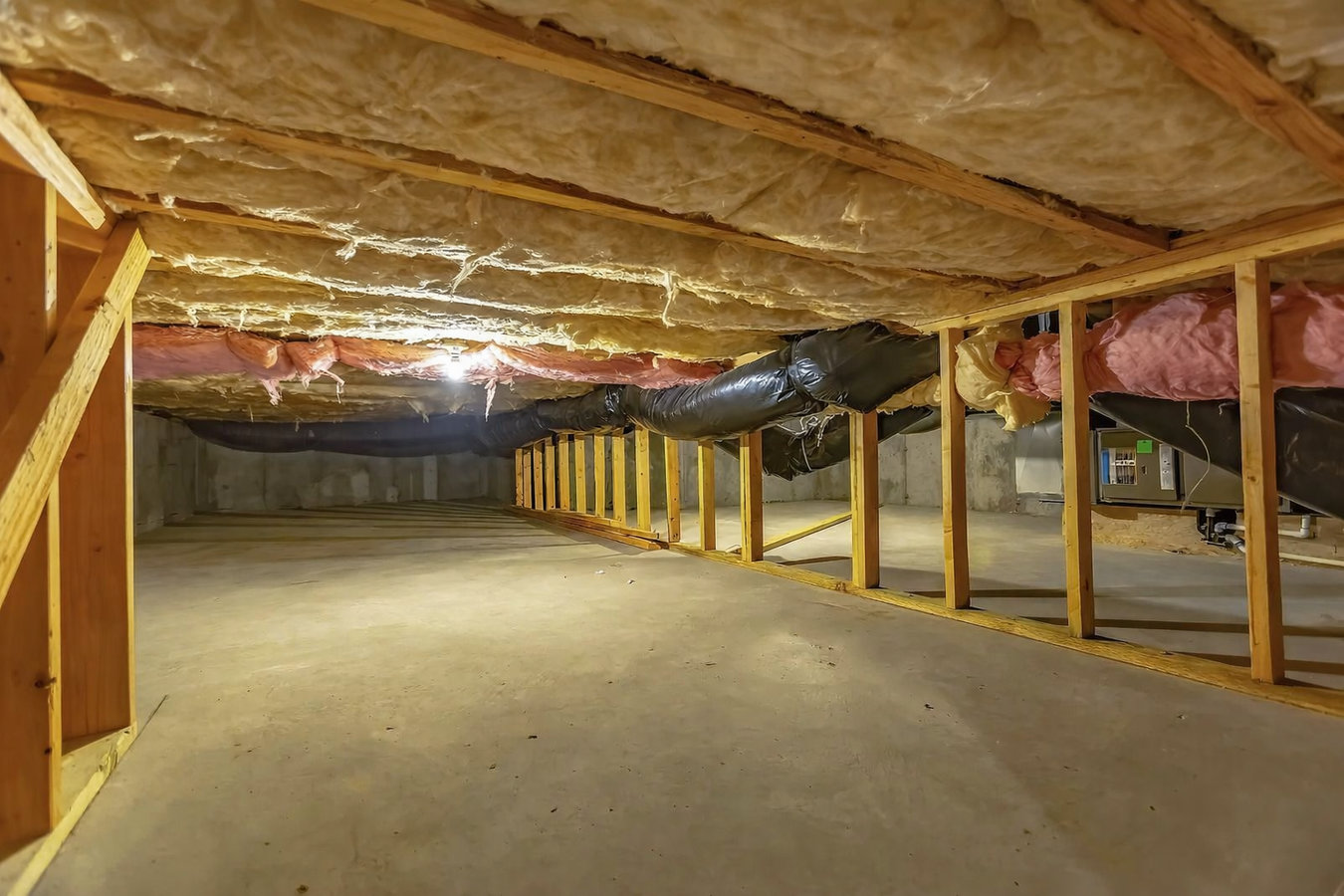
Basement insulation in Horn Lake creates a barrier between the hot, humid outdoor air and your living space, most jobs covering basement walls or ceiling in one to two days, with results you feel in the first month of summer.
In Horn Lake, where summer temperatures push into the mid-90s for months at a time, an uninsulated basement forces your air conditioner to fight heat rising through the floor every single day. If your home was built before the mid-1990s, the original insulation has likely settled or degraded to the point where it offers little real protection. Pairing basement insulation with crawl space insulation gives your home a complete lower-level thermal barrier that holds up even through the longest DeSoto County summers.
If your electricity bill climbs sharply from June through September and your cooling system seems to run almost constantly, your basement may be letting in large amounts of hot, humid air. Horn Lake summers are long and punishing, and a poorly insulated lower level forces your air conditioner to fight heat coming up through the floor. If your bills feel out of proportion to the size of your home, the basement is a logical starting point.
Walk barefoot across your first floor on a hot July afternoon. If the floor feels significantly warmer than the rest of the room, that is a sign the space below is not properly insulated. In Horn Lake, heat radiating up through an uninsulated floor is one of the most common comfort complaints we hear from homeowners every summer.
Visible water stains on walls, a musty smell, or condensation on pipes are all signs that warm, humid outdoor air is getting in and meeting cooler interior surfaces. This is especially common in Horn Lake after heavy summer rains. Moisture problems and insulation problems often go together and both need to be addressed at the same time.
Homes built in Horn Lake before the mid-1990s were built to much lower insulation standards than what is required today. If you cannot recall any insulation work being done in your basement, the original installation has likely degraded or was minimal to begin with. A quick assessment by a local contractor can tell you exactly where you stand.
We install insulation on basement walls, ceilings, and around penetrations to give your home a solid lower-level thermal barrier. For basement walls in Horn Lake's humid climate, we often recommend closed-cell foam insulation, which insulates and seals air gaps in the same step. For the basement ceiling, fiberglass batts or blown-in options can work well where moisture exposure is lower.
Every job starts with a moisture check. We will not install insulation over a damp wall, because doing so traps moisture and creates conditions for mold to grow out of sight. If moisture remediation or a crawl space insulation upgrade is the right first step for your home, we will tell you that before any materials go up.
Best for homes where outdoor heat and humidity are penetrating through foundation walls and raising cooling costs.
Suits homes where the basement is unheated and the priority is keeping the floor above warm in winter and cool in summer.
Ideal for Horn Lake homeowners who need both air sealing and insulation in a single application, especially where moisture is a concern.
Recommended when water intrusion is present - we address drainage and vapor barriers before insulation goes in.
Horn Lake sits in DeSoto County on the northern Mississippi Delta fringe, where summer temperatures regularly reach the mid-to-upper 90s and humidity stays high for months at a time. That combination means basement insulation has to do double duty: block heat from driving up your cooling costs and prevent warm, humid outdoor air from condensing on cooler interior surfaces. A significant share of Horn Lake neighborhoods were built between the 1970s and 1990s, when insulation standards were far less demanding than they are today, so many homes here have little or no protection at the lower level.
The clay-heavy soils across DeSoto County expand when wet and contract when dry, which puts stress on foundation walls and creates conditions where water can seep into basements after heavy rain. We serve homeowners throughout the area, including Southaven and Olive Branch. Wherever you live in DeSoto County, the local climate makes a properly sealed and insulated basement one of the most practical investments you can make in your home.
We reply within one business day. Expect a brief conversation about your home, its age, and what problems you have noticed - no commitment required on the first call.
We walk through your basement, check for moisture, look at existing insulation, and assess gaps around pipes and penetrations. This visit takes 30 to 60 minutes, and we explain what we find before we leave.
You receive a written estimate that breaks down the scope and cost. Once you approve, we schedule installation and let you know exactly what to move or prepare beforehand.
Most residential basement jobs are complete in one to two days. Before we leave, we walk you through the finished work and answer any questions about what was done and what to watch for going forward.
Free estimate, no obligation. We reply within one business day.
(662) 707-8005We inspect every basement for water intrusion before we install a single inch of insulation. Skipping this step is how you get mold behind the walls - we do not take that shortcut.
Because Horn Lake sits on the Tennessee state line, some contractors operate primarily in the Memphis market and may not know Mississippi permit requirements. We pull permits through DeSoto County when the scope requires it, so your project is on record and your home is protected.
We know how Horn Lake's clay soils, summer humidity, and heavy annual rainfall affect the lower level of a home. That local knowledge shapes every recommendation we make, from insulation type to vapor barrier placement. The U.S. Department of Energy recommends addressing both air sealing and insulation together in hot-humid climates - which is exactly how we approach every job.
You get a clear written quote that breaks down what we are doing and why. No surprises on invoice day. We also follow guidelines from the U.S. Department of Energy on proper insulation placement for hot-humid climates.
Every basement insulation job we do in Horn Lake is grounded in a proper moisture assessment and a written estimate. We know the local rules, the local climate, and the local housing stock - and we stand behind the work we do.
Rigid, moisture-resistant spray foam that insulates basement walls and seals air gaps in a single application.
Learn MoreProtect the underside of your home from heat, humidity, and pests with professional crawl space insulation.
Learn MoreHorn Lake summers are long - get your home protected before the heat peaks. We reply within one business day.