Loading...
Serving Horn Lake, MS and surrounding areas. (662) 707-8005
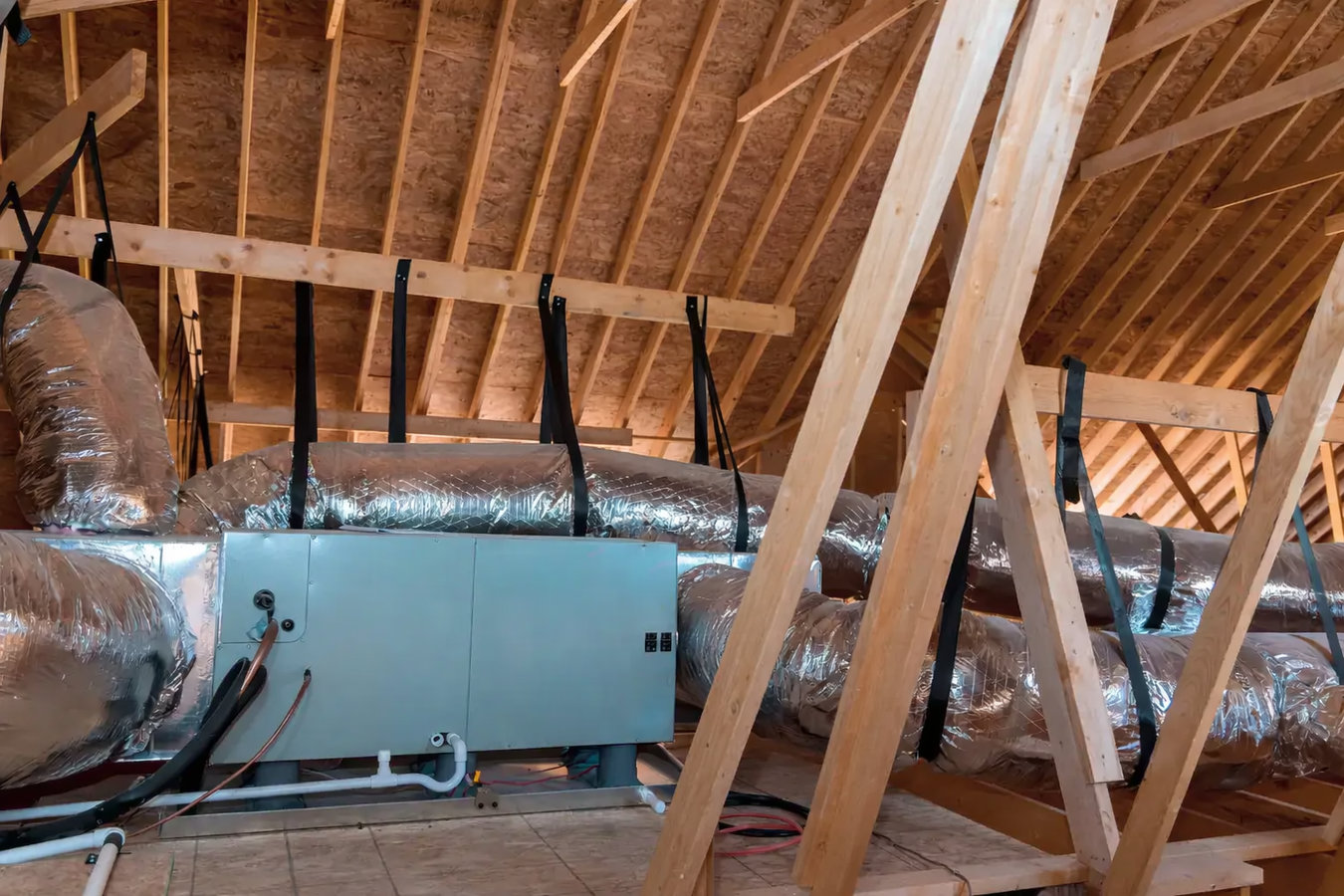
Gaps in your attic floor let 140-degree attic air push straight into your living space. We find and seal every one so your AC can actually keep up.
Attic air sealing in Horn Lake means finding and plugging the gaps, cracks, and holes in your attic floor that let conditioned air escape - contractors apply spray foam or caulk around light fixtures, plumbing penetrations, wall tops, and wire holes, and most jobs on a standard single-family home are done in one day.
A lot of homeowners assume adding more insulation is the fix, but insulation slows heat transfer - it does not stop air movement. Air sealing closes the actual pathways that let hot air travel freely between your attic and your living space. Most energy experts recommend sealing first, because insulation laid on top of unsealed gaps delivers far less benefit than it should. If your attic has not been assessed in years, there is a good chance those gaps have been on your cooling bill every summer without anyone naming them. Pairing air sealing with air sealing services for the rest of your home creates the most complete defense against air leakage from top to bottom.
In Horn Lake's climate, this is not a comfort upgrade - it is a practical necessity. Summer attic temperatures can reach 140 degrees, and every unsealed gap in your ceiling is a direct pipeline from that heat into your living space. The U.S. Department of Energy identifies attic air sealing as one of the highest-return energy improvements a homeowner can make - and in DeSoto County's summers, the impact is immediate.
If rooms directly below your attic stay noticeably warmer than the rest of the house during Horn Lake's long summers, heat is pushing through your ceiling. Your air conditioner may be working fine - it is just fighting an open door. This is one of the most common complaints from homeowners in older DeSoto County neighborhoods, and air sealing is often the fix that finally makes a difference.
When your Entergy Mississippi bill climbs sharply in June and stays elevated through September, your cooling system is compensating for something - and attic air leaks are one of the most common culprits. If bills have crept up year over year without a clear explanation, it is worth having someone look at your attic. The savings from sealing can often pay back the cost within two to three cooling seasons.
Stand on a chair and hold your hand near a recessed ceiling light or the base of a ceiling fan on a hot summer day. If you feel warm air pushing through, you have found a gap that connects directly to your attic. These fixtures are among the most common air leak points in homes built before the mid-2000s, and they are exactly what a contractor targets during a sealing job.
Attic air pushing through gaps often carries dust, insulation particles, and in Horn Lake's humid climate, a faint musty odor from moisture that has built up over time. If you notice either of these things - especially after the AC kicks on - your attic and your living space are not as separated as they should be. This is a comfort issue and a potential air quality concern worth addressing promptly.
We seal attics throughout Horn Lake and surrounding DeSoto County neighborhoods, working across the entire attic floor to find every gap - around recessed lights, plumbing stacks, top plates where walls meet the ceiling, attic hatches, and any penetration where wires or pipes pass through. We use two-component spray foam for large gaps and acoustical sealant for smaller cracks, choosing the right material for each opening rather than a one-size-fits-all approach. For homeowners who want to know how much air was actually escaping before and after the job, we can coordinate blower door testing - which is the only way to confirm the work actually reduced your air leakage and not just the contractor's word for it. If your home also has whole-house air leakage issues beyond the attic, combining this service with air sealing services addresses both layers at once.
Many homeowners schedule attic air sealing at the same time as an insulation upgrade because the labor overlap reduces the total cost and the results compound. We are direct about sequencing - air sealing before insulation is the correct order, and we will not recommend skipping it just to close a job faster. Once sealing is done, we often find that adding or upgrading the insulation above the sealed surface with retrofit insulation is the most cost-effective way to complete the thermal envelope. Before your project starts, we will also let you know if your work may qualify for rebates through Entergy Mississippi or other efficiency programs.
For homes where the entire attic floor has never been sealed - we work every penetration from the hatch to the eaves and document what we find.
For homeowners who know where their problem areas are - focused work around recessed lights, plumbing chases, and other known leak points.
The correct sequence when new insulation is planned - we seal the floor first so the insulation above it performs at full effectiveness.
For homeowners who want verified results - before-and-after testing that shows exactly how much air leakage was reduced by the work.
Horn Lake sits in the northern Mississippi Delta fringe, where summer temperatures regularly exceed 95 degrees and outdoor humidity stays above 70 percent for months at a time. That means your attic can reach 140 degrees or hotter on a July afternoon, and every gap in your attic floor is a direct pipeline pushing that heat and moisture into your living space. DeSoto County homeowners with unsealed attics are not just dealing with discomfort - they are paying for it on every Entergy bill from May through September. A significant portion of Horn Lake's residential neighborhoods were built during the 1970s through 1990s, when air sealing was not a standard part of construction practice. If your home was built before 2000, there is a very good chance your attic has never been properly sealed. Homeowners in Southaven and Nesbit face the same conditions and benefit from the same fix.
The high humidity in DeSoto County also means warm humid air entering through ceiling gaps carries real moisture load - not just heat. That moisture can condense on cooler surfaces inside your attic and contribute to wood rot, mold, and insulation degradation over time. A contractor working here should be looking for signs of existing moisture damage while they seal, not just plugging gaps mechanically. The U.S. Environmental Protection Agency identifies reducing attic infiltration as one of the most effective ways to improve indoor air quality in homes in humid climates - and Horn Lake qualifies on every count.
We will ask a few basic questions - your address, the age of your home, and any comfort or billing issues you have noticed. This helps us arrive prepared. We respond within 1 business day and can typically schedule an assessment within the week.
A contractor accesses your attic and walks the entire floor, looking for every gap around pipes, wires, light fixtures, wall tops, and the hatch itself. Some assessments include a blower door test that measures exactly how much air is leaking before any work begins. The visit takes 30 to 60 minutes.
After the assessment, you receive a written estimate that explains what was found, what will be sealed, and what materials will be used. We separate air sealing costs from any additional insulation work so you can see exactly what each piece costs.
The crew works entirely in the attic - your living areas are undisturbed. Most jobs on a Horn Lake single-family home take two to five hours. Once done, a thorough contractor shows you what was sealed and, when blower door testing is included, shows you the before-and-after numbers.
Free estimate, no pressure. We will tell you what we find and what it will cost before any work begins.
(662) 707-8005Blower door testing before and after a sealing job is the only way to prove the work actually reduced your air leakage. Contractors who skip that step are asking you to take their word for it. We use testing to confirm results, not just to make a sale.
We have worked on homes throughout DeSoto County - the brick-front subdivisions built in the 1980s, the older neighborhoods near Highway 51, and the newer developments on the east side of town. Each era of construction has its own common gap patterns, and we know where to look.
You get a free written estimate that lays out the scope, the materials, and the price before any work begins. When the job is done, we hand you a record of exactly what was sealed and where, so you can see what changed without taking our word for it.
Entergy Mississippi has offered incentive programs for home energy efficiency work, and we will let you know before the job starts whether your project may qualify - not after you have already paid. Leaving money on the table because nobody mentioned the rebate is a frustrating outcome we try to prevent.
Testing, local knowledge, documented work, and straight talk about rebates - these are the things that separate a contractor worth calling from one who just shows up and charges you. When the job is done, you will know exactly what changed and why.
Add insulation to your existing home without tearing into walls - the natural next step after air sealing is in place.
Learn MoreWhole-home air sealing that covers every zone of the house, not just the attic floor.
Learn MoreHorn Lake summers hit hard - getting your attic sealed now means your home is ready before the worst heat arrives and availability fills up.