Loading...
Serving Horn Lake, MS and surrounding areas. (662) 707-8005
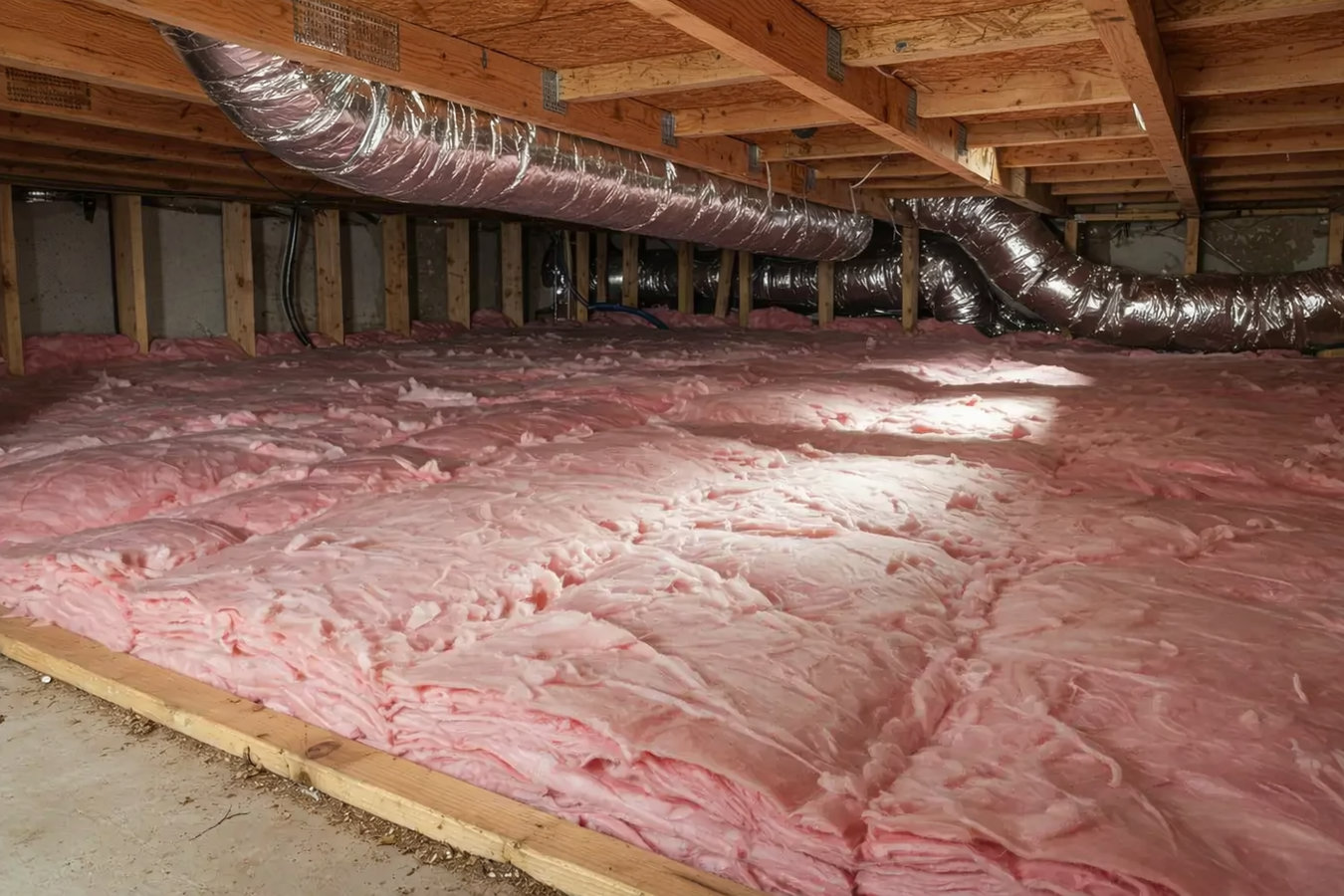
A damp, under-insulated crawl space drives up your energy bills and pushes musty air into your home. We insulate and seal it properly so your floors stay comfortable and your monthly costs come down.
Crawl space insulation in Horn Lake acts as a thermal barrier between the ground beneath your home and the living space above it, keeping summer heat from driving up your cooling costs and winter cold from pulling warmth through your floors. Most jobs on an average-sized home take one to two days, and you do not need to leave during the work.
In Horn Lake, where clay-heavy soils hold rainwater and summer humidity stays high for months, moisture is the main threat to any crawl space. Insulation that was installed 20 or 30 years ago in an older neighborhood home has almost certainly been exposed to enough moisture cycles to lose real effectiveness. The result is higher energy bills, colder floors in winter, and that damp smell that seems to come from nowhere.
In some cases, the right move is full crawl space encapsulation - pairing insulation with a heavy vapor barrier and sealed walls. In others, replacing the floor joist insulation is enough. Either way, it starts the same way: a free inspection to see what is actually down there. If the existing material is too far gone, we handle insulation removal first, then install fresh material sized for the space.
If you walk across your kitchen or living room floor in January and it feels noticeably cold through your socks, heat is escaping through the floor into an uninsulated or under-insulated crawl space below. Horn Lake's winter cold snaps are cold enough to make this problem obvious. It is one of the most common complaints homeowners have before getting their crawl space insulated.
That damp, earthy smell is almost always moisture rising from the crawl space. In Horn Lake's humid climate, an unprotected crawl space acts like a sponge - it absorbs ground moisture and pushes damp air up into your living space. If the smell gets worse after heavy rain or during the summer, your crawl space likely needs both a moisture barrier and fresh insulation.
If your heating and cooling costs have increased over the past few years and nothing has changed, degraded crawl space insulation is a likely culprit. Insulation installed 20 or 30 years ago loses its effectiveness over time, especially when exposed to moisture. Your HVAC system works harder to compensate, and you pay for it every month.
If you have ever looked into your crawl space and seen sagging, discolored, or fallen insulation, standing water, or evidence of rodents, those are clear signs the existing insulation has failed. Pest activity is particularly common in older Horn Lake homes where gaps in the crawl space foundation allow easy entry. Damaged insulation needs to be removed and replaced, not patched.
The two main approaches are floor joist insulation and full crawl space encapsulation. Floor joist insulation means installing material snugly between the wooden beams under your floor, slowing heat movement through the floor itself. It is the more straightforward option and works well when the crawl space is in reasonable condition with no significant moisture problems. We also pair this work with a crawl space vapor barrier in most Horn Lake jobs because the clay-heavy soil and high rainfall here mean moisture control is part of any lasting solution.
Full encapsulation goes further: the crawl space walls are insulated instead of the floor joists, and the entire space is sealed with a heavy plastic liner. This approach does a better job of controlling moisture at the source and is often worth the higher upfront cost in older homes with chronic humidity issues. Before any material goes in, we inspect for moisture, standing water, mold, and pest damage - because putting new insulation over a wet crawl space is a mistake that fails quickly. We also coordinate with wall insulation projects when homeowners are upgrading the whole envelope at once.
Best for crawl spaces in good condition where the main need is slowing heat loss through the floor.
Suited for homes with recurring moisture issues, older construction, or crawl spaces that have never been properly sealed.
A ground-level liner that blocks moisture from rising through the soil - recommended for virtually all Horn Lake crawl spaces.
For crawl spaces where the existing material has failed and needs to come out before fresh insulation can go in.
Horn Lake sits in a hot-humid climate where average July highs reach around 92 degrees and the area receives about 54 inches of rain per year - well above the national average. DeSoto County's clay-heavy soil holds water rather than draining it away, which means after heavy rain, moisture has few places to go except up through the ground and into your crawl space. A vapor barrier is not optional in this environment - it is a practical necessity. Homeowners in Olive Branch and Hernando deal with the same soil and rainfall conditions, and the same moisture-first approach applies across the county.
A large share of Horn Lake's housing stock was built between the 1970s and 1990s, and most of those homes were constructed with minimal crawl space insulation standards - or none at all. Homes in that age range also tend to have gaps in the crawl space foundation that allow easy pest entry. Combined with decades of humidity exposure, the insulation in these crawl spaces is often in poor condition even if it looks intact from a quick look. A proper inspection, not just a visual pass, is the only way to know what you are actually working with before investing in new material.
We ask a few basic questions about your home and what you have noticed. We schedule an estimate visit within one business day. Most Horn Lake homeowners get a visit scheduled within a few days of reaching out.
A crew member enters the crawl space to assess existing insulation, check for moisture, standing water, mold, and pest damage, and measure the space. This visit takes 30 to 60 minutes, and you get a written estimate that explains your options and the full cost before anything is decided.
The crew works entirely in the crawl space through the access hatch. If old insulation is being removed, it is bagged and hauled away. New material is installed, and if a vapor barrier is part of the project, that goes in first. Most jobs finish in one day; larger or more complex spaces may require a second day.
Before leaving, we walk you through what was done and share photos of the finished work if you prefer not to go into the crawl space yourself. We point out anything worth monitoring going forward so you have a full picture of your home's condition.
No pressure, no obligation. We reply within one business day.
(662) 707-8005We check for standing water, condensation, and mold before any material goes in. Installing insulation over a wet crawl space is one of the most common contractor mistakes we see - it fails within a year or two. We do not skip this step, and the inspection is included with every estimate visit.
Many Horn Lake homes were built in the 1980s and 1990s with minimal crawl space standards. We work in these spaces regularly and know the access challenges, the pest entry patterns, and the moisture conditions that come with that era of construction. That local context changes how a job gets assessed and planned.
Given Horn Lake's clay soil and high annual rainfall, a ground-level vapor barrier is almost always the right call. The North American Insulation Manufacturers Association recommends proper moisture management as a prerequisite to effective insulation - we follow that standard on every crawl space job.
If we see mold, structural concerns, or signs of how pests got in, you hear about it before we leave. You should understand the full condition of your crawl space before spending money on new material - and we make sure you do. References from past Horn Lake jobs are available on request.
Good crawl space insulation starts with an honest look at what is actually down there - not just a quote based on square footage. That is how we approach every job, and it is why the work lasts. For installation standards, the North American Insulation Manufacturers Association (NAIMA) and the U.S. Department of Energy crawl space guide are the references we follow.
Complete your home's thermal envelope by insulating the walls alongside the crawl space - a common pairing in older Horn Lake homes.
Learn MoreA ground-level liner that blocks moisture from rising through DeSoto County's clay-heavy soil into your crawl space.
Learn MoreHorn Lake summers are already here - get your crawl space sealed before heat and humidity drive your energy bills higher this season.